You can execute a flawless install and still get a disappointed client two weeks later — if the aftercare falls apart. The fix is simple: give every client the rules in writing, in plain language, at the appointment. This post is written so you can hand it straight to them.
Washing
- Use sulfate-free shampoo and conditioner. Sulfates strip the hair and shorten its life. This is the single most important product rule.
- Wash less often, gently. Extensions don't need daily washing. When you do, be gentle at the attachment points and don't scrub.
- Keep conditioner off the roots. Condition mid-length to ends; conditioner at the bonds or tape can loosen them.
Drying and sleeping
- Never sleep on wet hair. Wet hair tangles and matts overnight, and damp attachment points can slip.
- Dry the roots and bonds. Leaving the attachment area wet invites slippage and, over time, odor and mildew.
- Sleep with hair loose-braided or tied softly. A loose braid prevents overnight tangling without stressing the bonds.
Brushing
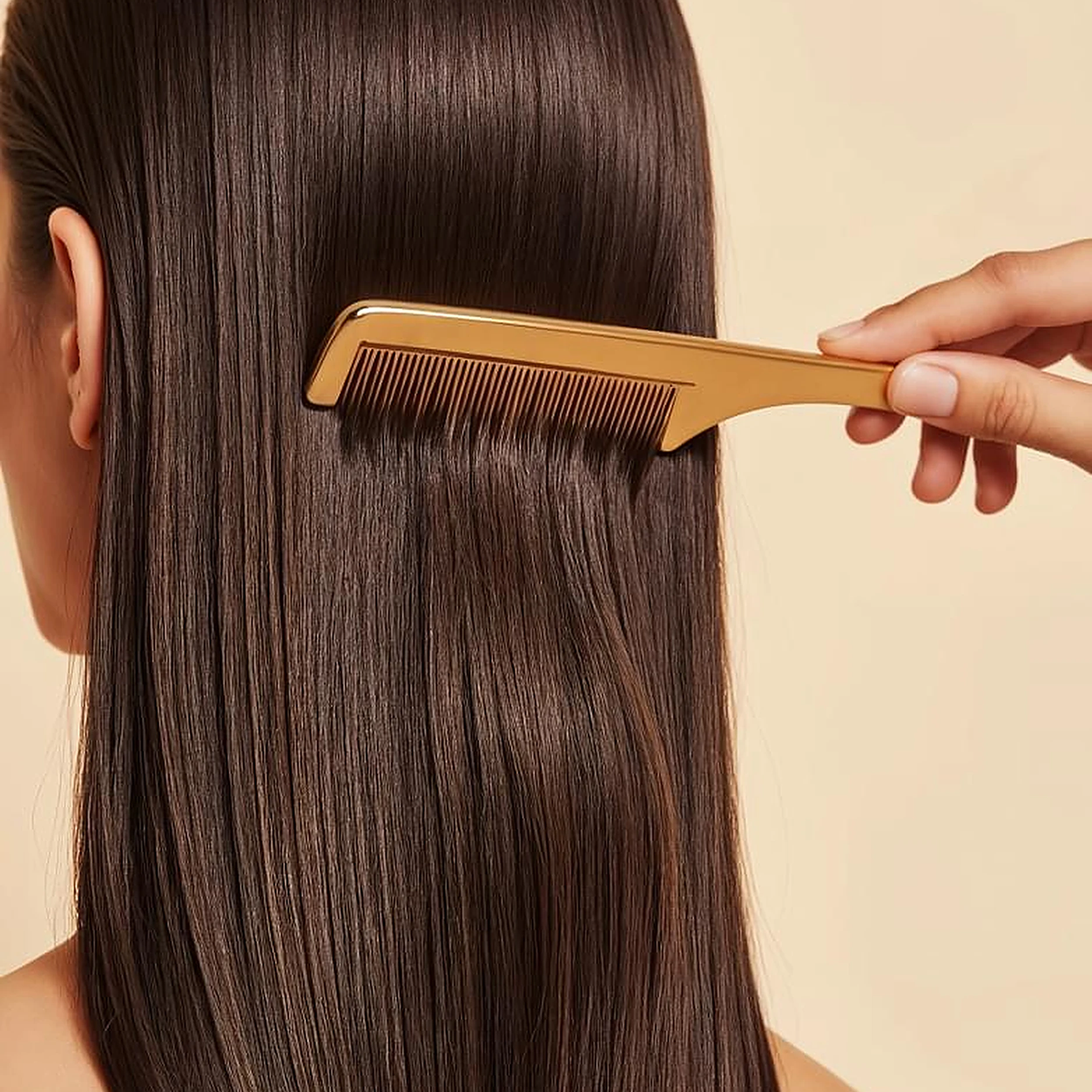
Brush from the ends up, working toward the roots, using a loop brush or wet brush designed for extensions. Support the hair at the attachment point with your other hand so you're not pulling on the bonds. Brush at least morning and night to prevent matting.
Heat and products
- Keep direct high heat off the attachment points. Heat can weaken tape and keratin bonds.
- Use a heat protectant before styling, as with natural hair.
- Avoid oil-heavy and alcohol-heavy products near the bonds — they can break down adhesives and dry the hair.
Keep the move-up schedule
Aftercare includes coming back on time. Skipping the 6–8 week move-up lets the attachment points grow out too far, which stresses the natural hair and risks damage. Booking the next appointment before she leaves is part of protecting the work.